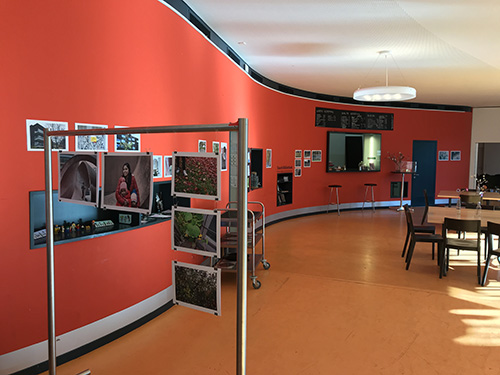
The term offscreen originates from audiovision and describes the sound and voices whose source is not visible on screen, but exists in space and time of the scene. With offscreen the present, but often ignored, noise of stories and perspectives in our society moves into the spotlight.
How can an ethical design process change a narratives to reflect different realities better?
offscreen is an intervention, fostering intercultural dialogue and building visual literacy skills. It combines design, visual art and photography with social projects.
offscreen has been organized as a collective between me and the photographer Susanne Keller from 2018-2021. Our goal was to promote intercultural dialogue and build visual literacy skills. In this way we aimed to offer an alternative to a medial narrative about marginalized social groups.
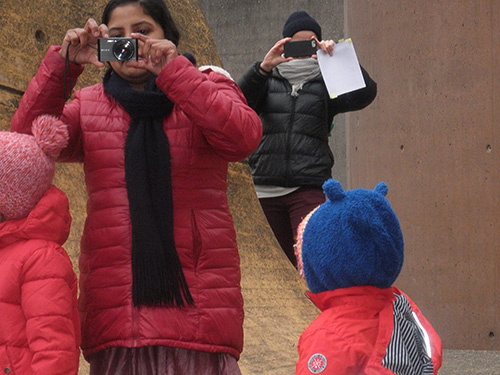
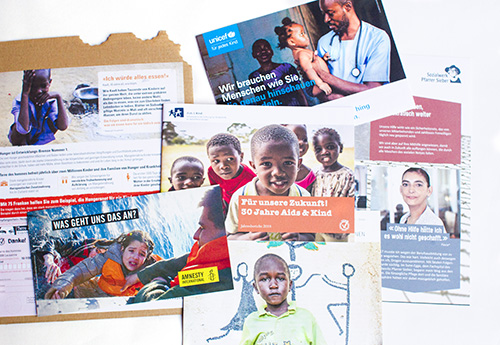
This project idea aims to address pictures of social groups that have little say about their representation in public. The study of identities shown in media communications, such as journalism, charity advertisements and travel reports, revealed discriminatory narratives. These include, for example, represented individuals from foreign countries or marginalised groups. The critique led to the question of how an ethical design process can change the narratives of communication design to reflect different realities better?
Participatory photography has emerged as a best practice method of image creation. The methodology promises that images are not created about, but with the people depicted and thus consciously incorporate their point of view. The process reduces unequal power positions in storytelling and prevents biased, discriminatory reporting.
In my research, I examined the promises and pitfalls of participatory photography in the context of humanitarian communication. The findings of literature review, participatory observation of photo workshops with refugees and interviews with other practitioners refined a solution for an own practice.
offscreen aims to build competences for inclusive and ethical visual storytelling by working in collaboration with various groups of society.
The key activity is the implementation of participatory photography workshops for visual storytelling. It starts as a movement for projects in which participation is a fundamental pillar to design visual formats and continues towards a community of ethical visual storytellers.
The participatory photography workshops follow the guidelines of Photovoice as taught by an NGO with the same name in London. The services are aimed at organisations, companies and fundraising agencies.
The offscreen project is my MA Design Master Thesis, defended in 2020 at Bern University of the Arts HKB.
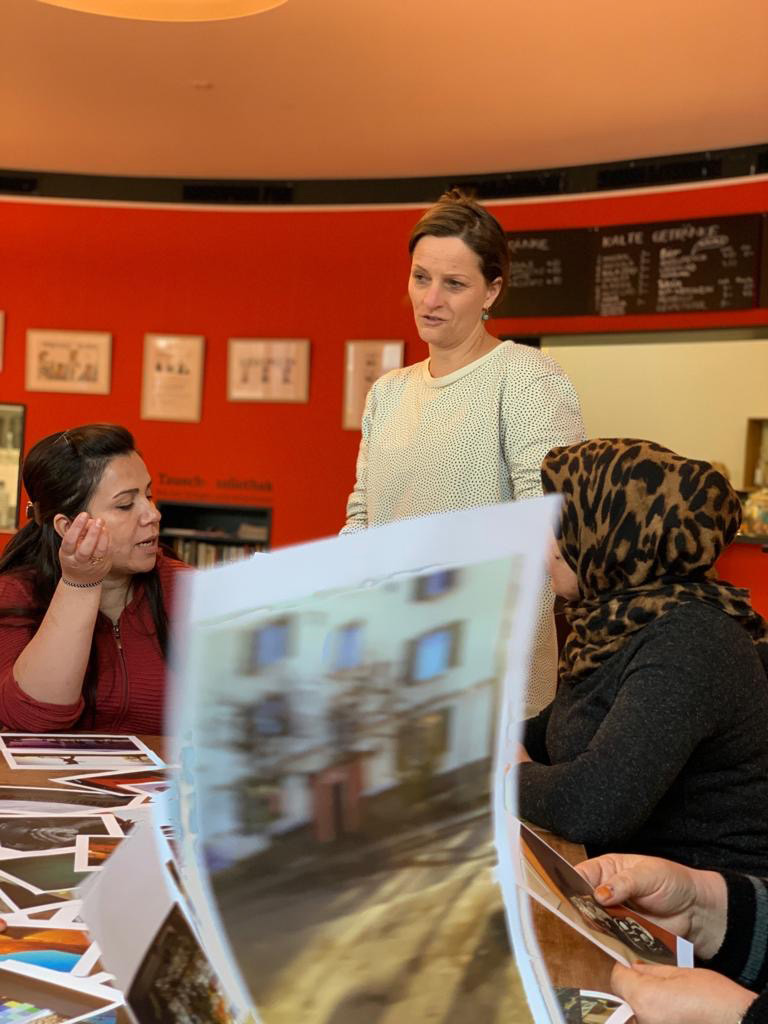
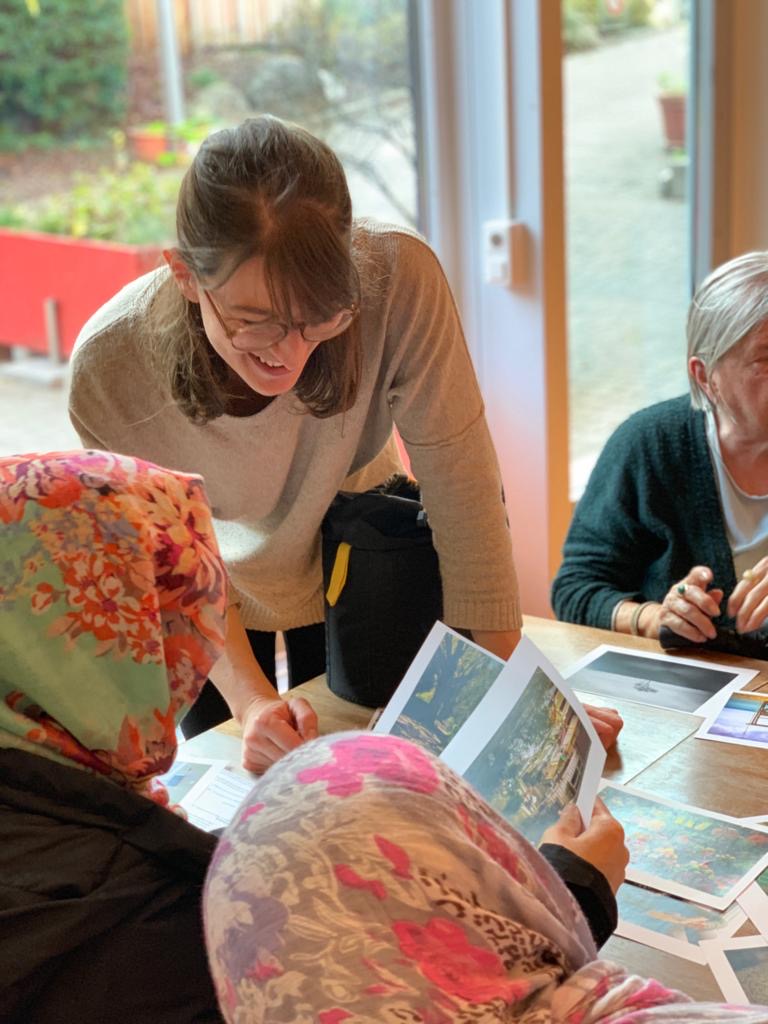
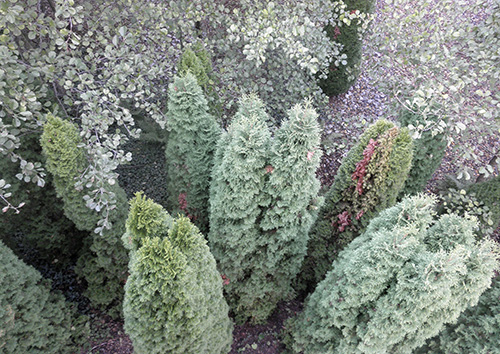
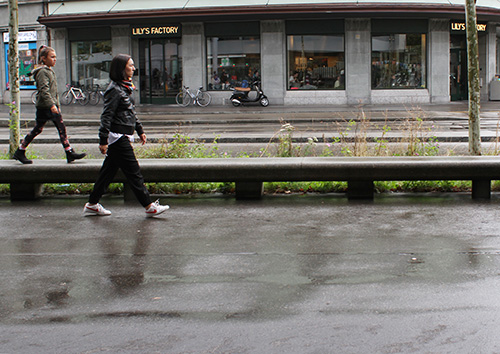
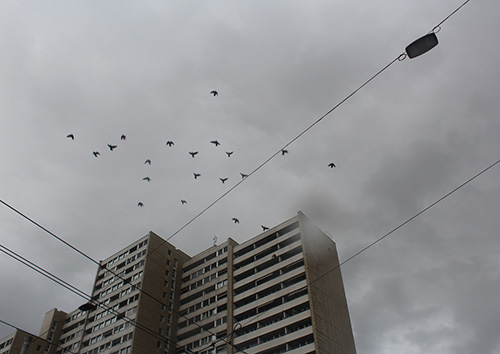
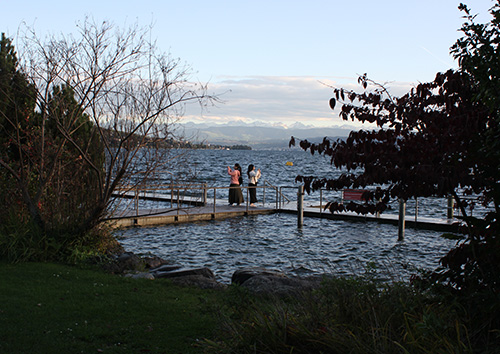
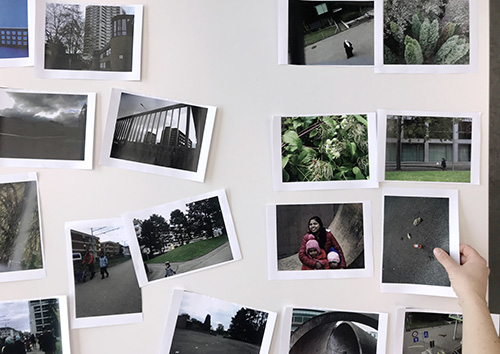
This project has been held with a group of migrant women living in the neighborhood of Grünau in Zurich. The first part of the workshop consisted of a photo dialogue, intending to get to know each other better through the conversation with pictures. In the second part, we encouraged the participants to try out creative ideas by giving them some tips and inspiration for taking pictures at photo stops.
The results of the workshop were exhibited during a neighborhood party.
The photographs taken by the workshop participants Adriana, Amina, Barbara, Golsah, Khadeeja, Mafuhja, Sadia and Zeynep